
Optimize the ground beneath your feet
Ground-installed wooden cubes that generate solar energy, produce green hydrogen, manage stormwater, and track carbon – built for surfaces traditional panels can’t reach. No net loss.
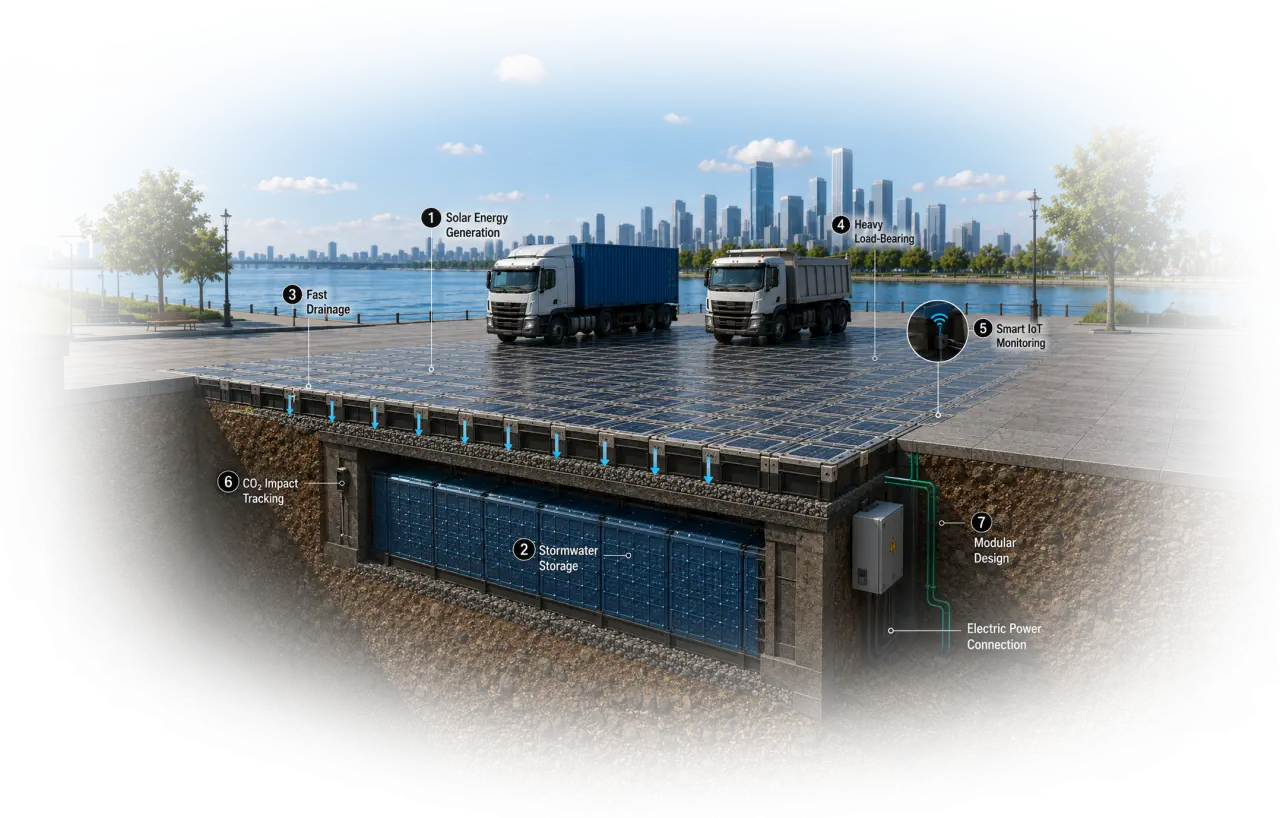


















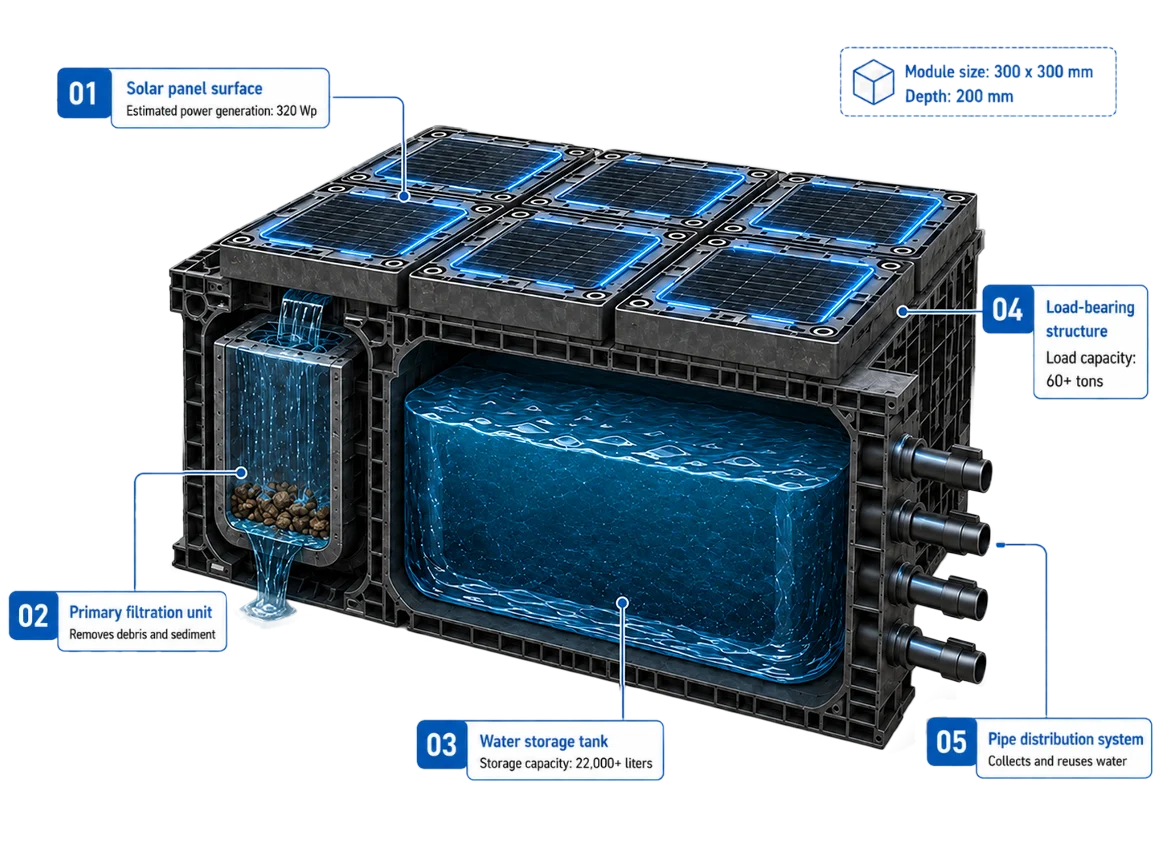
Fusion cube – all in one
One platform. Four integrated systems. Every square meter working harder.
Product Fusion CubeThe Biophilic design
Reference Projects
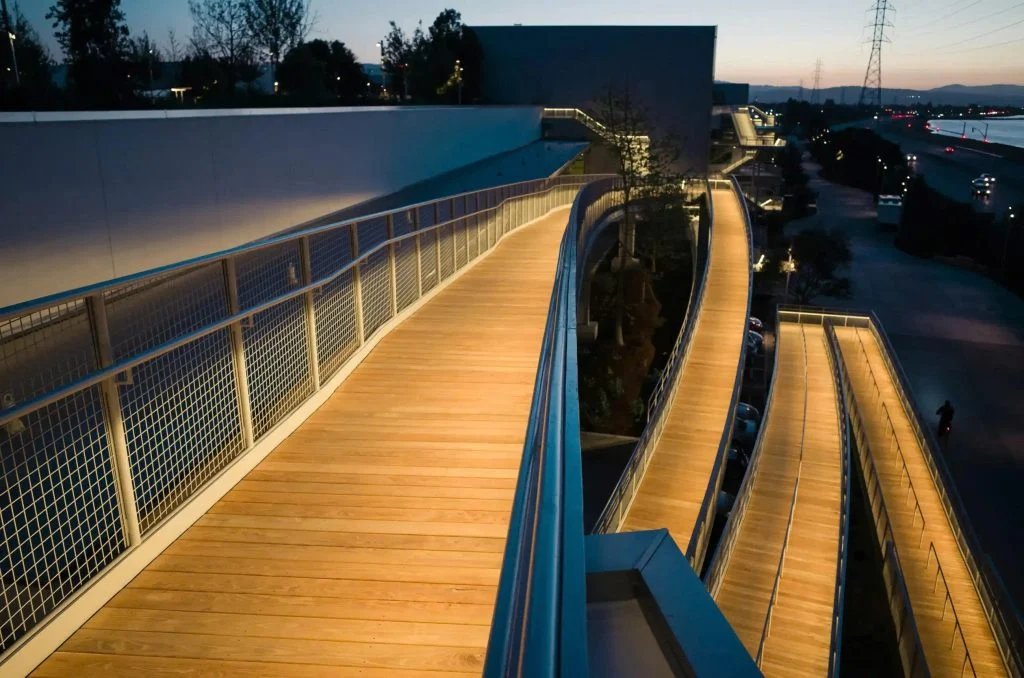
META Head Quarter
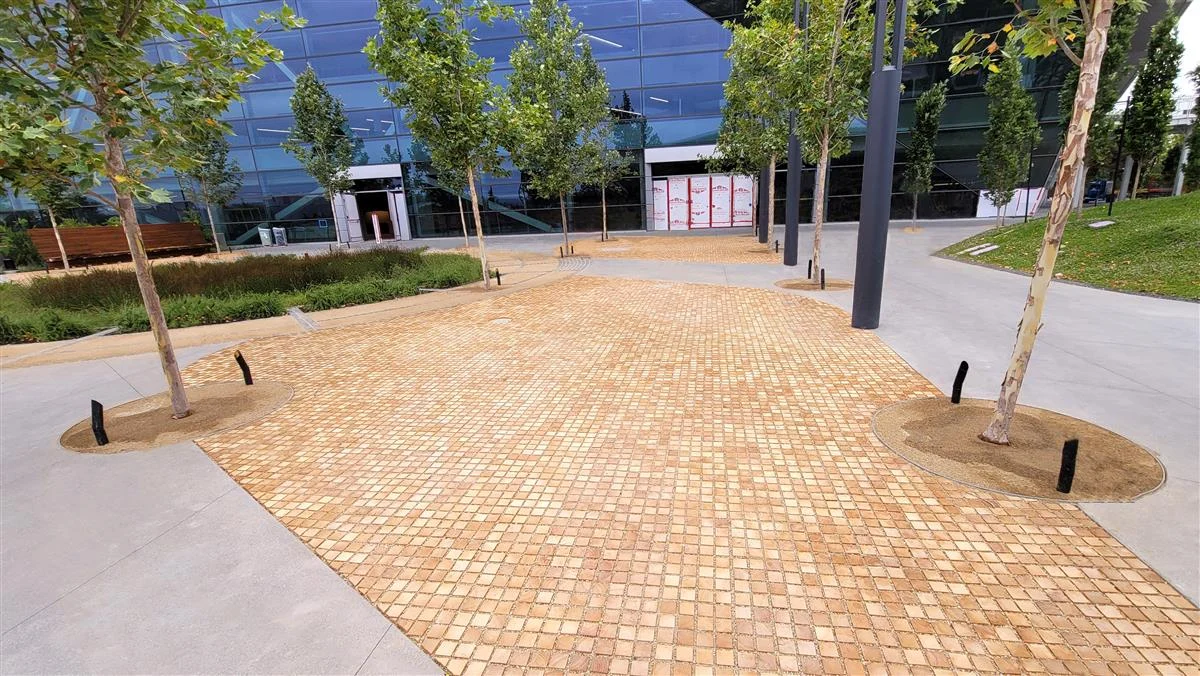
US-NVIDA
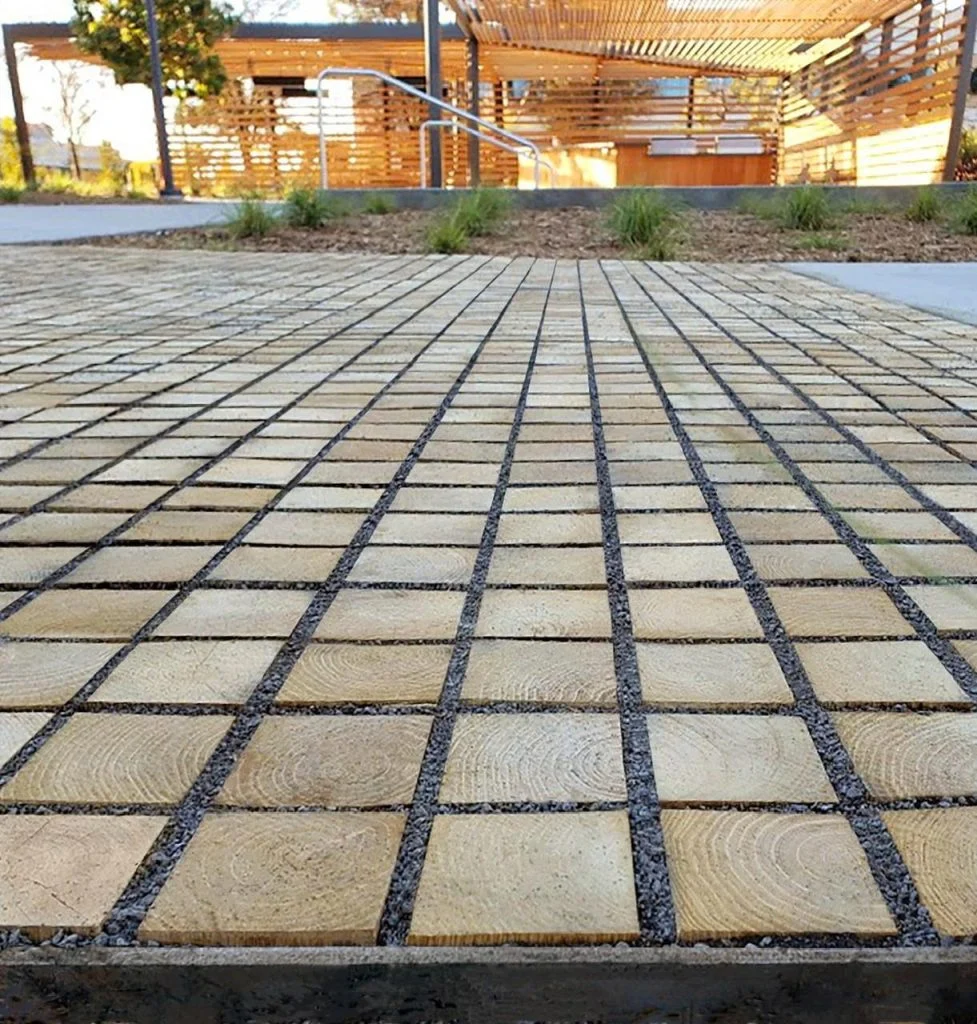
Google Campus, California
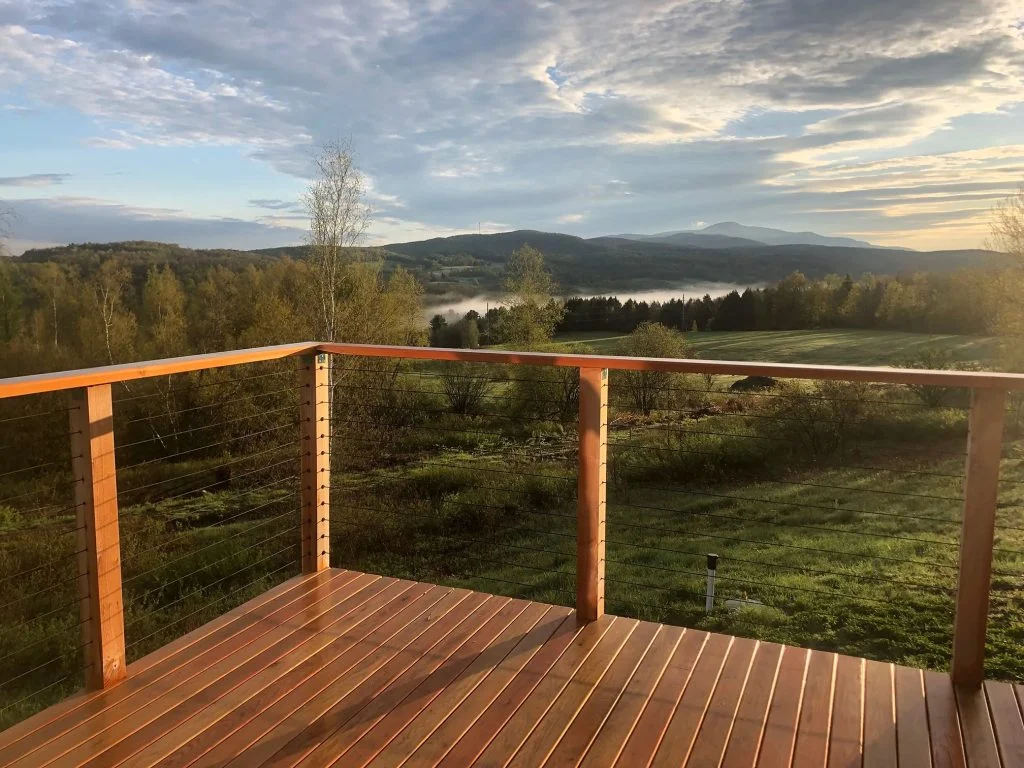
Les Maisons Alice & Roméo
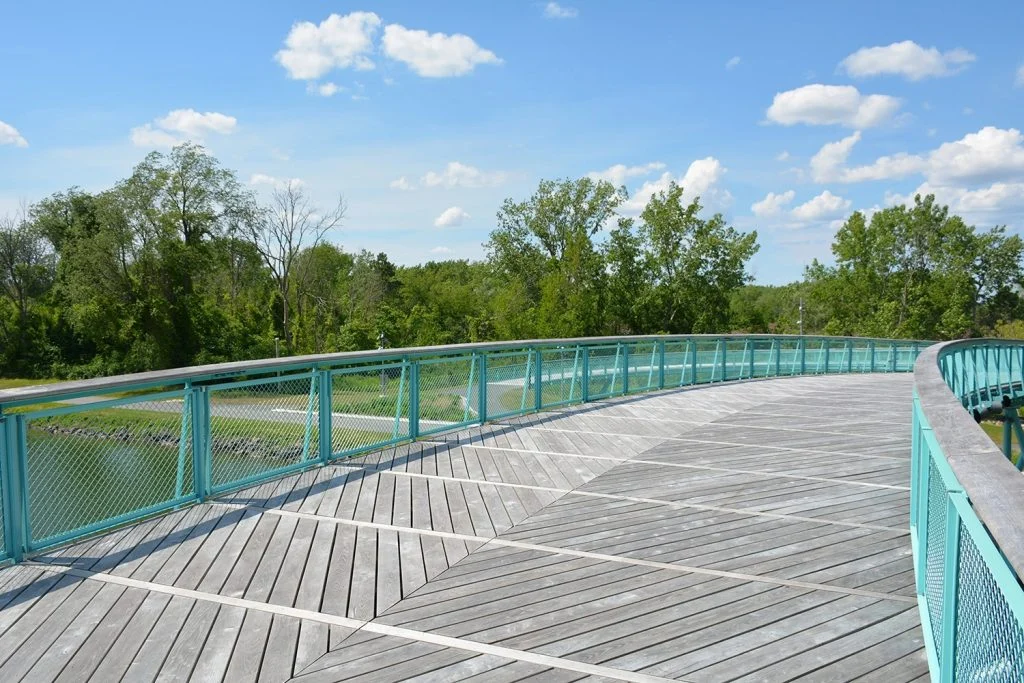
Erie Canal Pedestrian Bridge
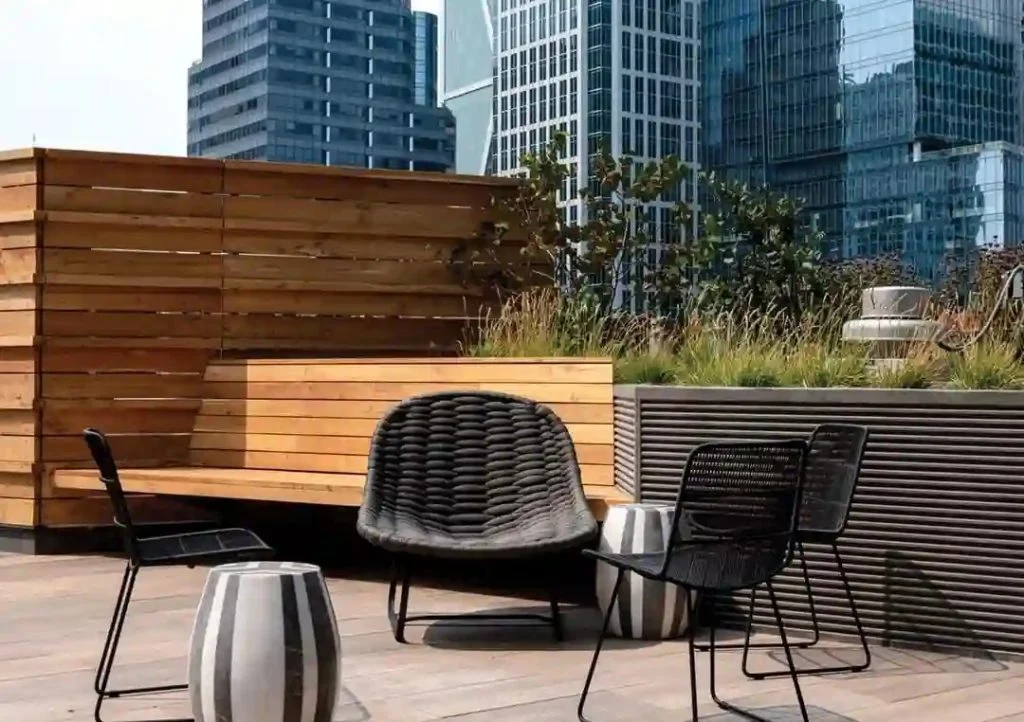
Mira
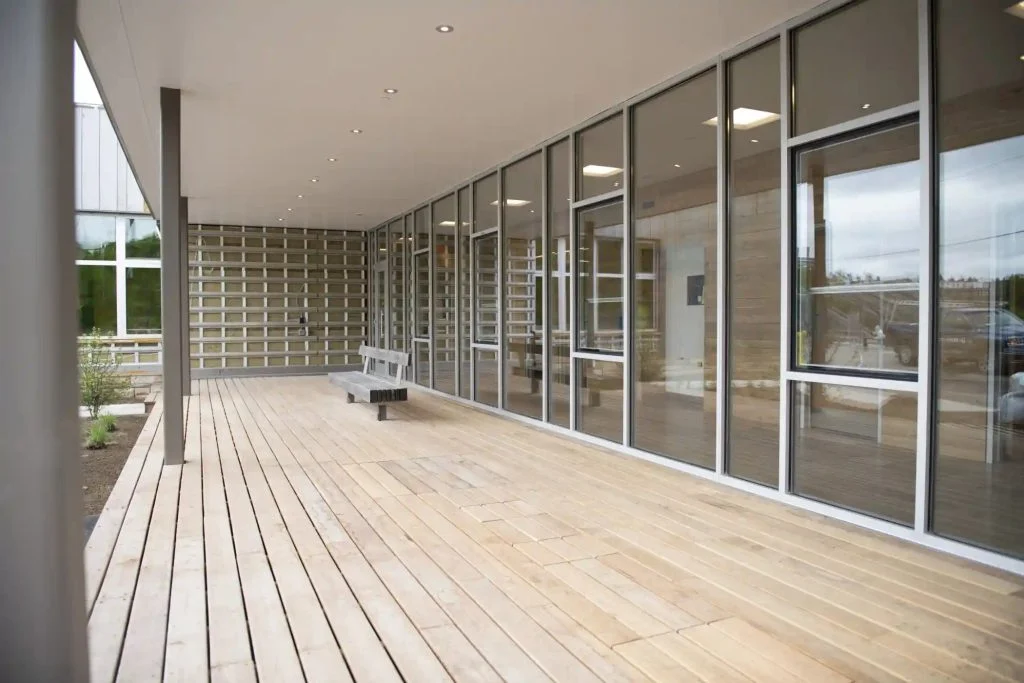
Phipps Conservancy and Botanical Gardens
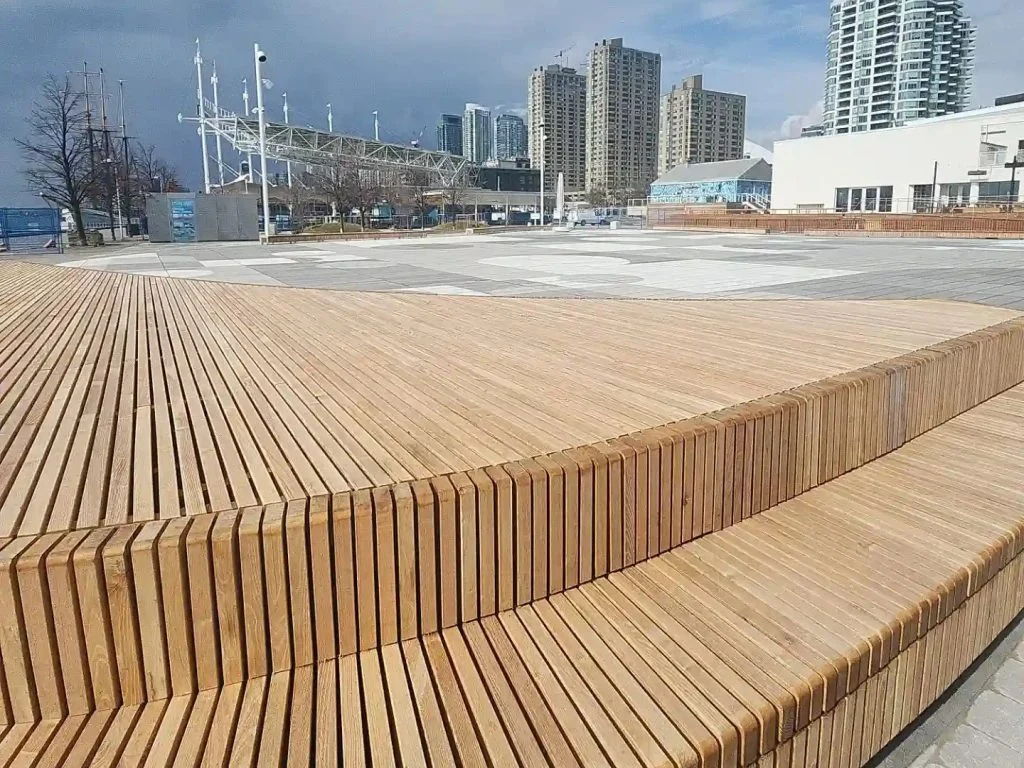
Toronto Harbourfront Project
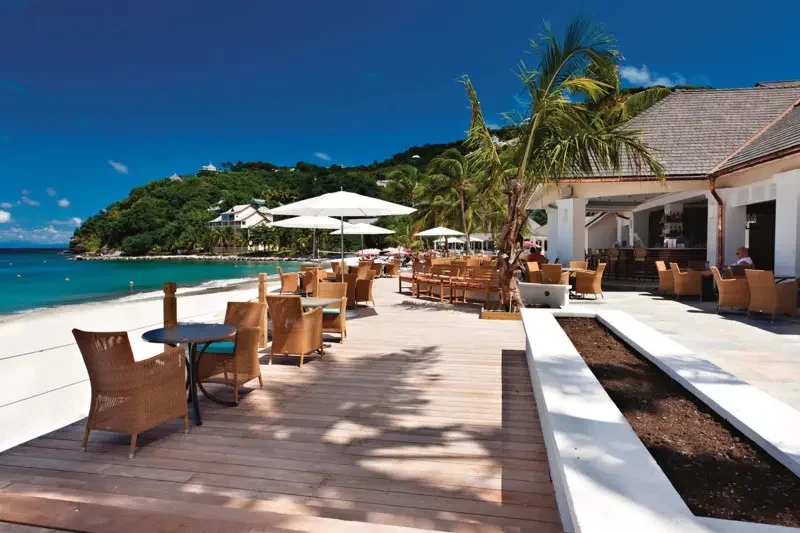
The BodyHoliday St Lucia / West Indies
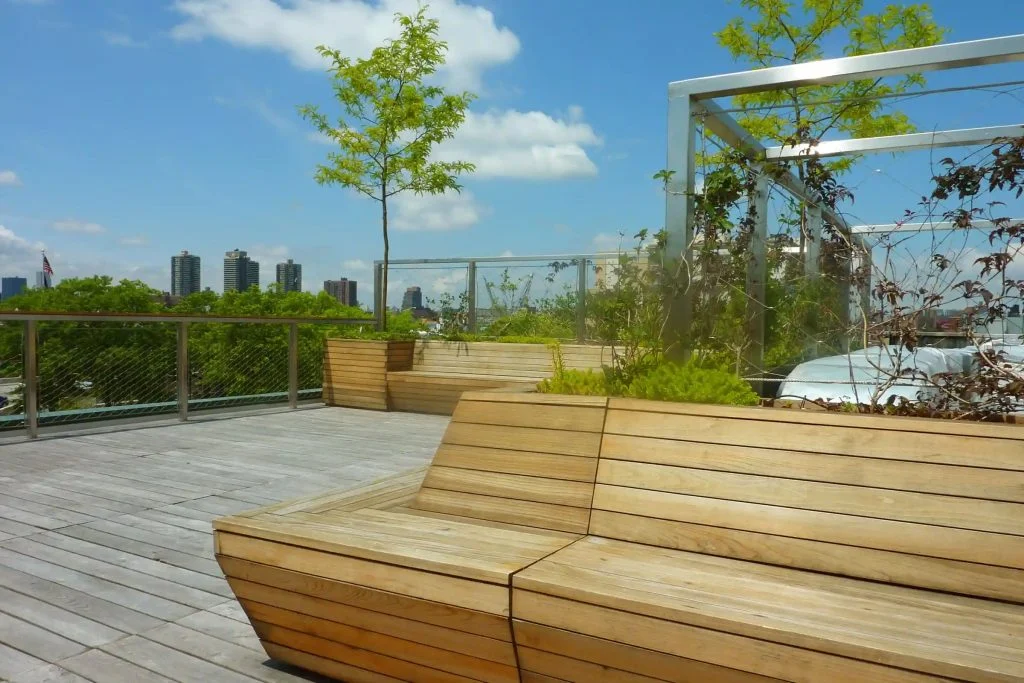
AEA RoofTop
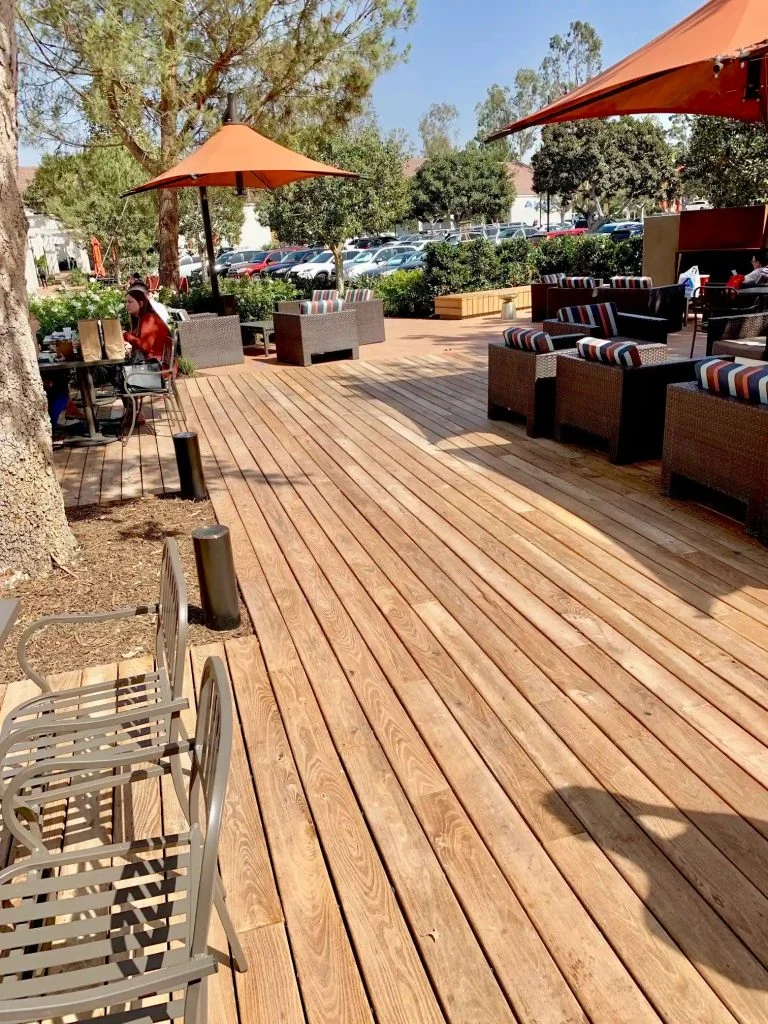
Campus Plaza
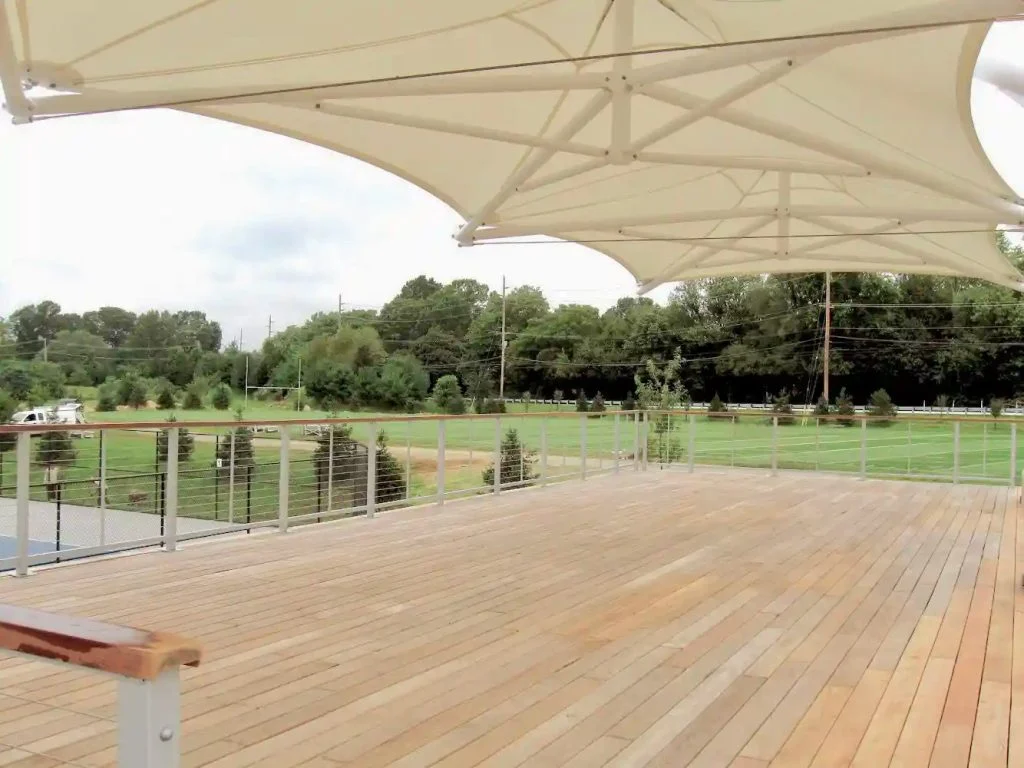
The Episcopal Academy
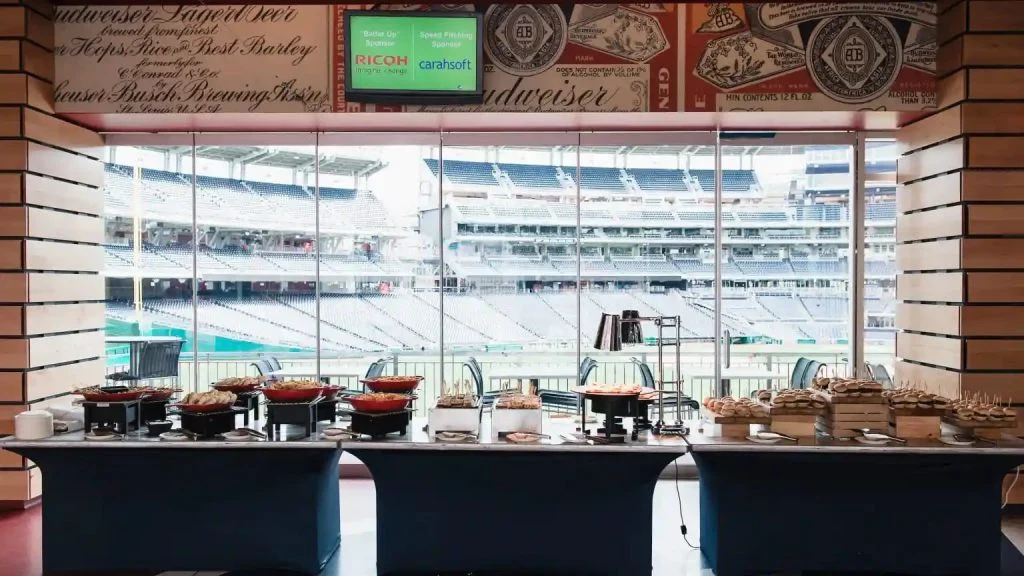
Budweiser Brew House at National Stadium
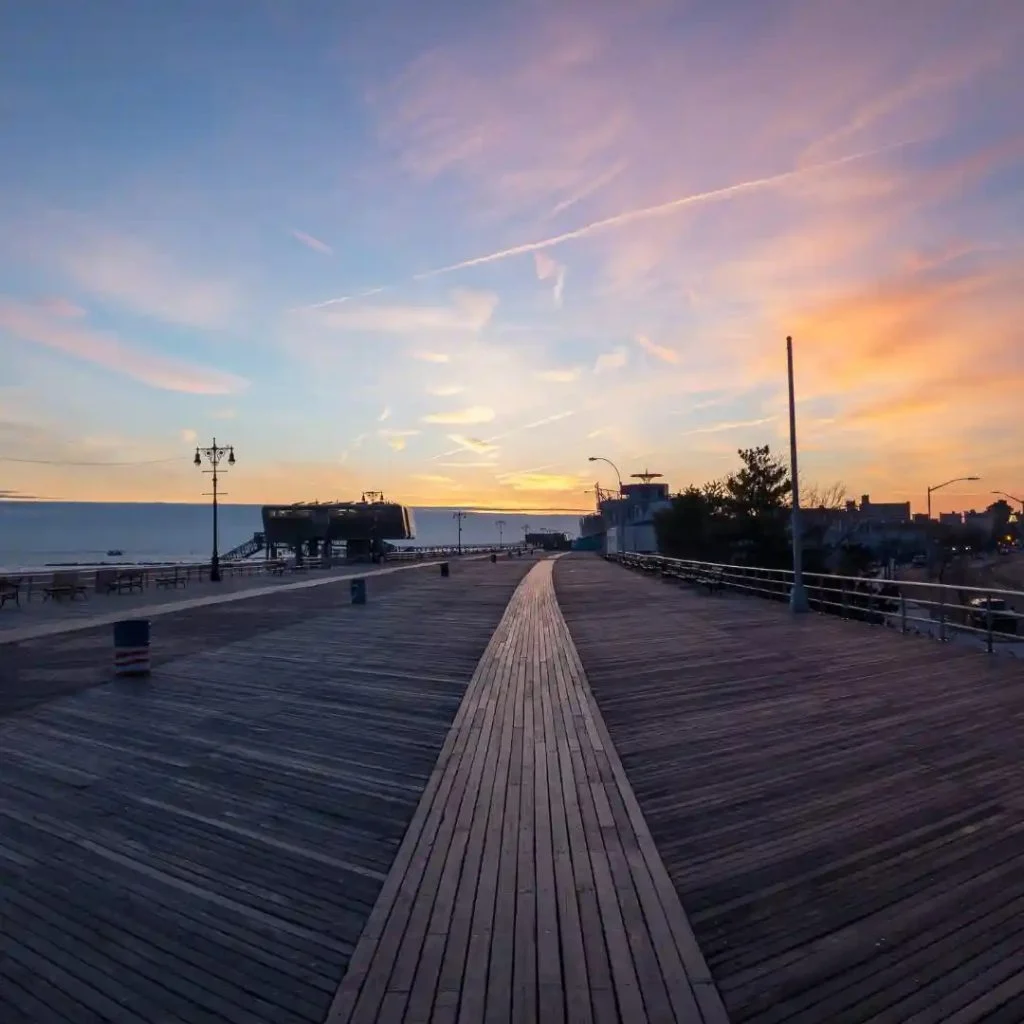
Coney Island Boardwalk
Google Campus, California
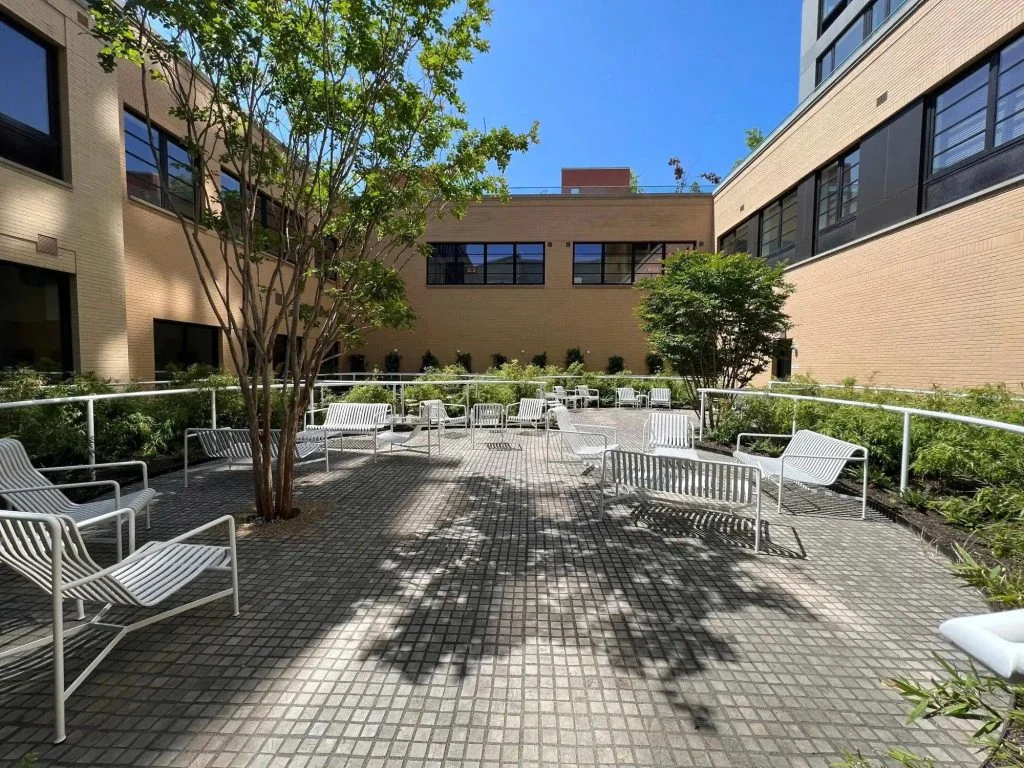
US-URBY NEWARK
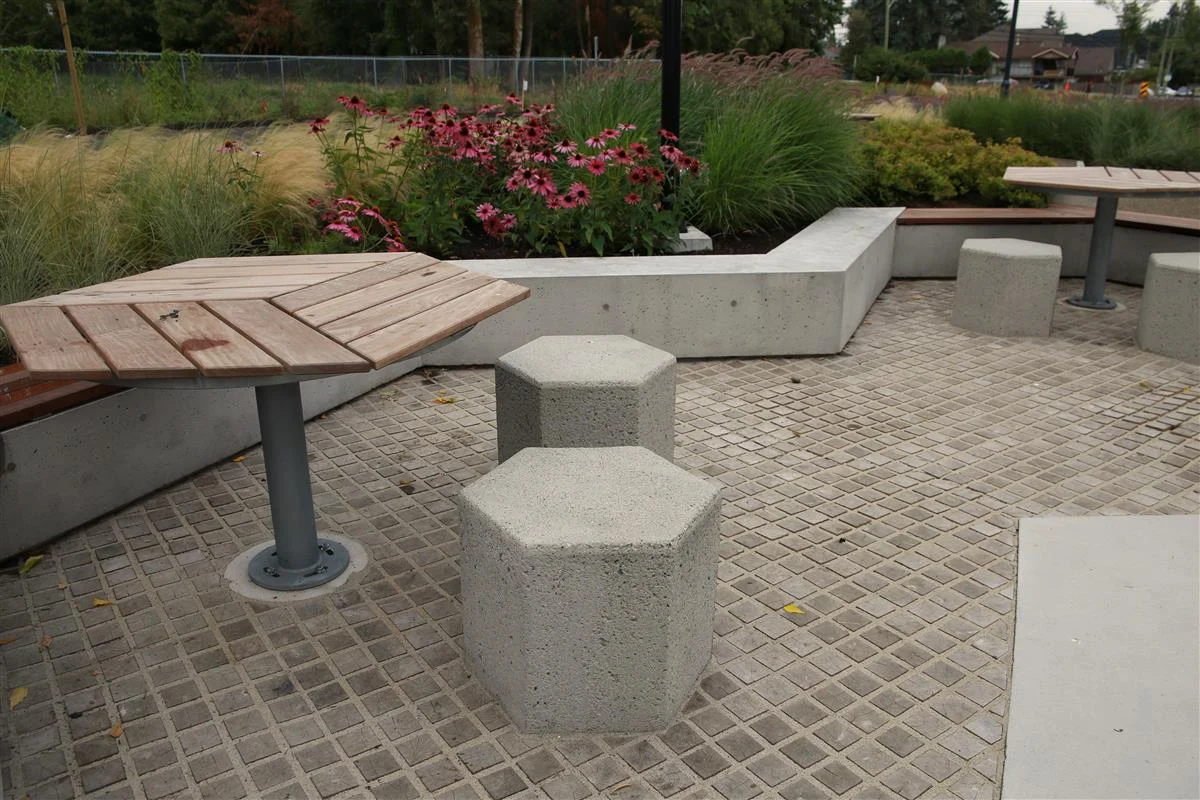
US-Surrey Energy District
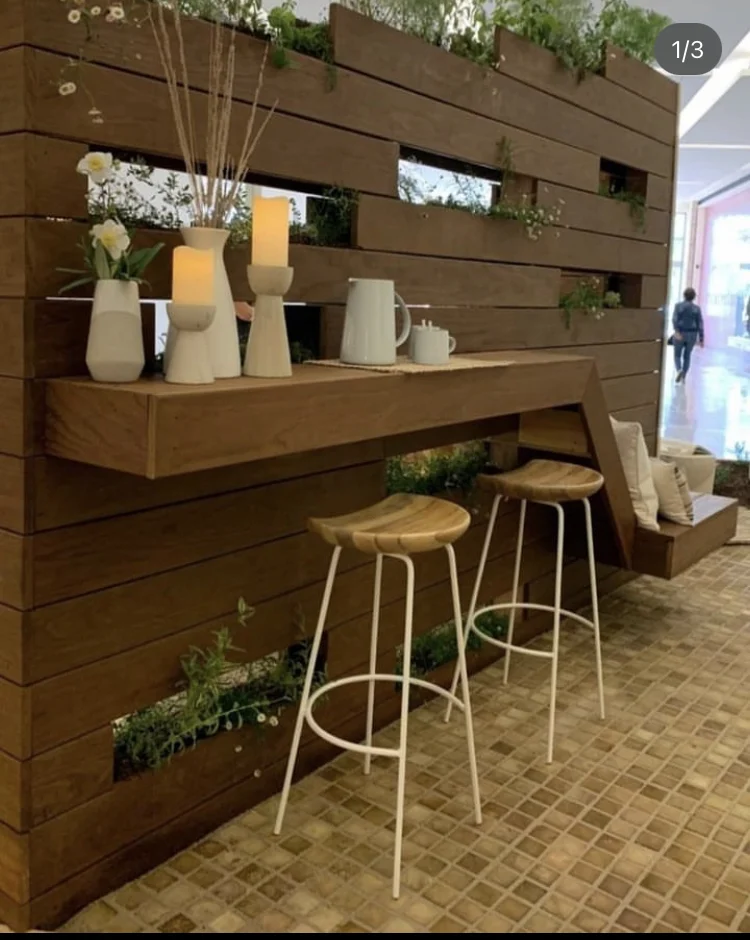
US-Cosa Mesa annual spring flowe show
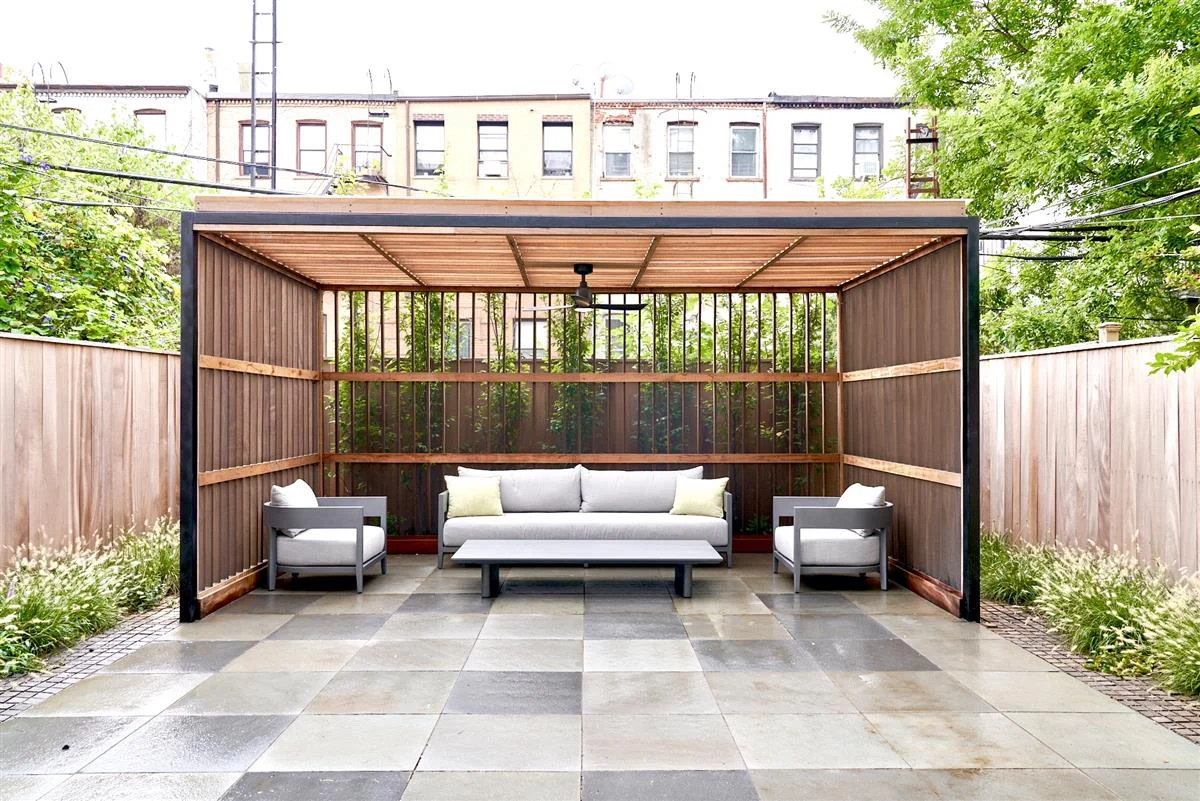
US-Brook Landscape
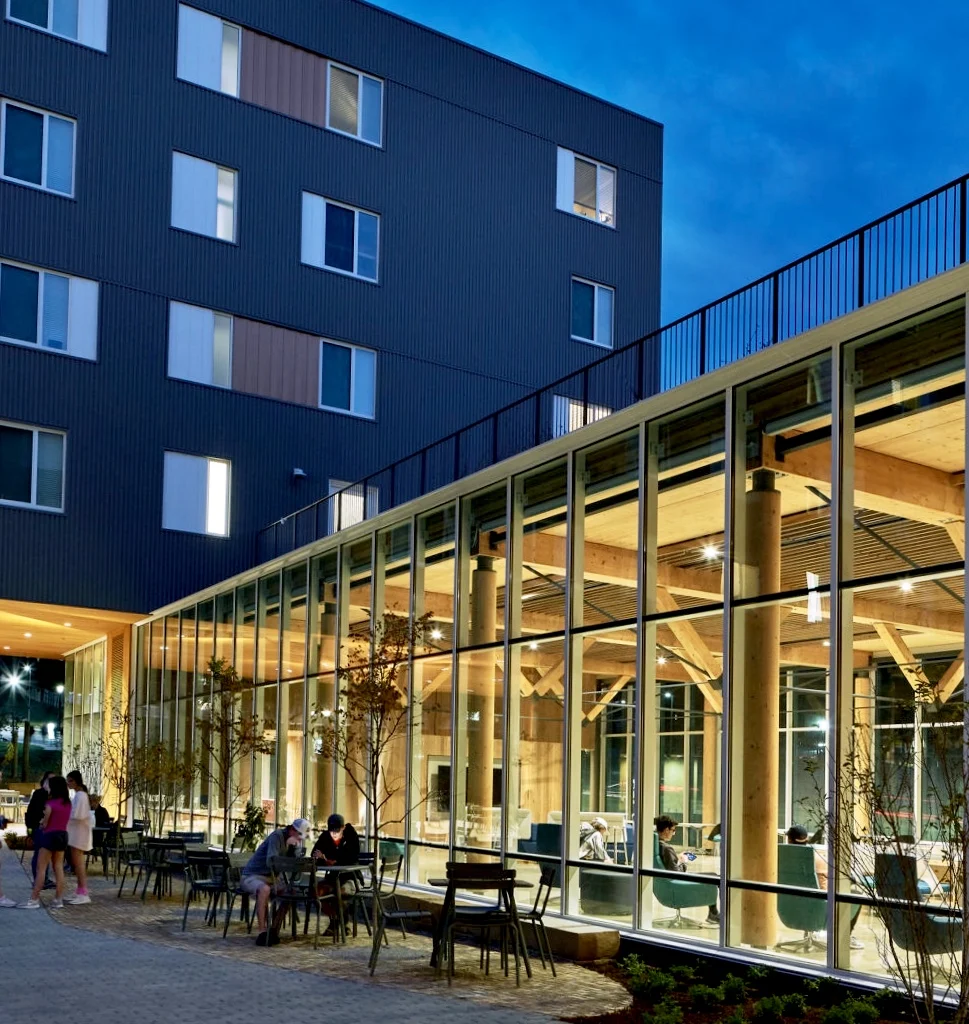
EU-University of Arkansas I Adohi Hall
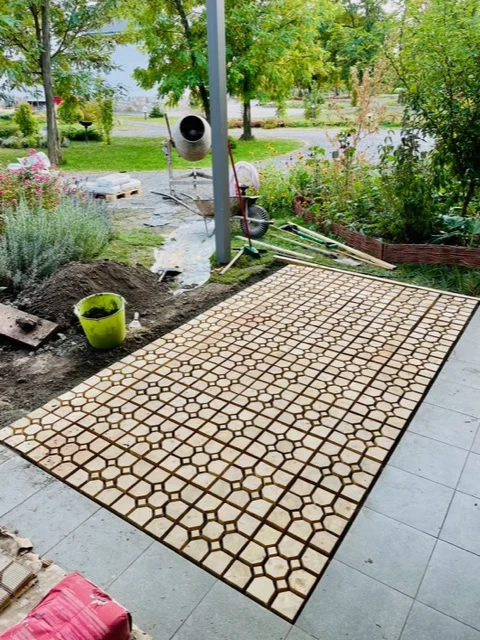
EU-GRAEFL MAJOR HUNGARY
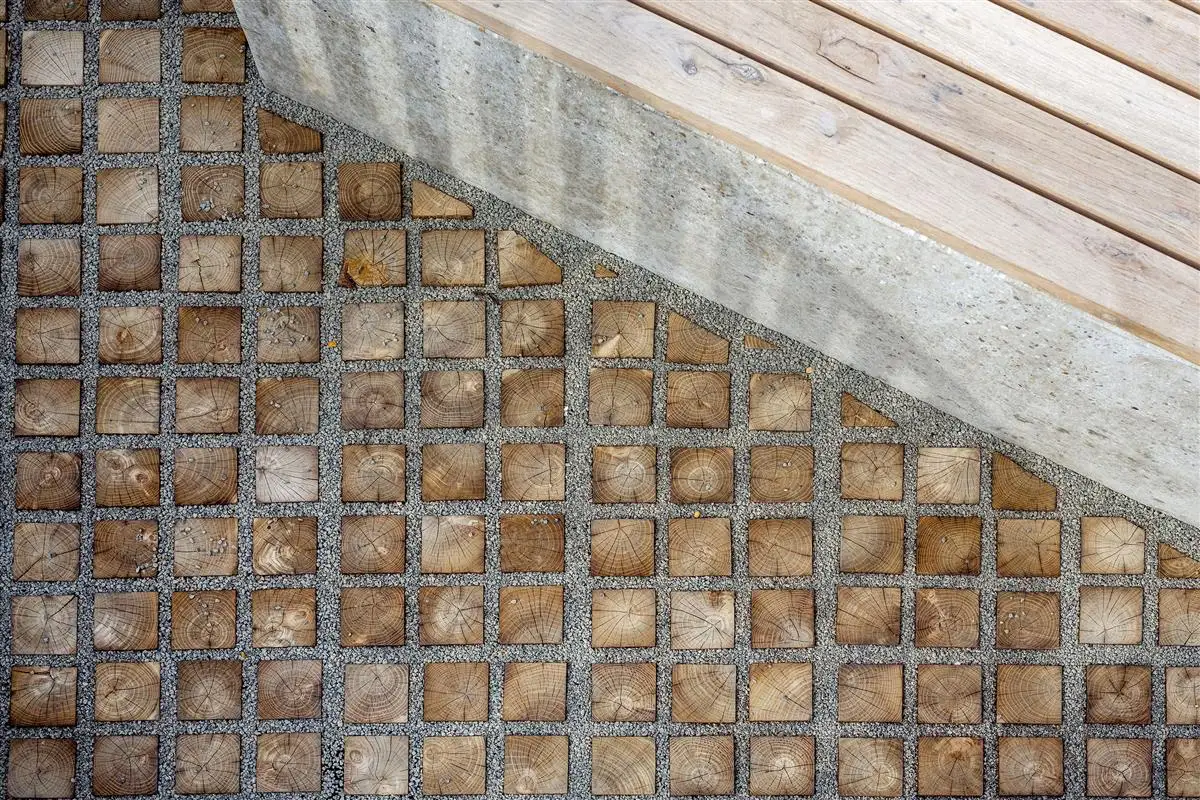
EU-CEU

Every surface becomes efficient
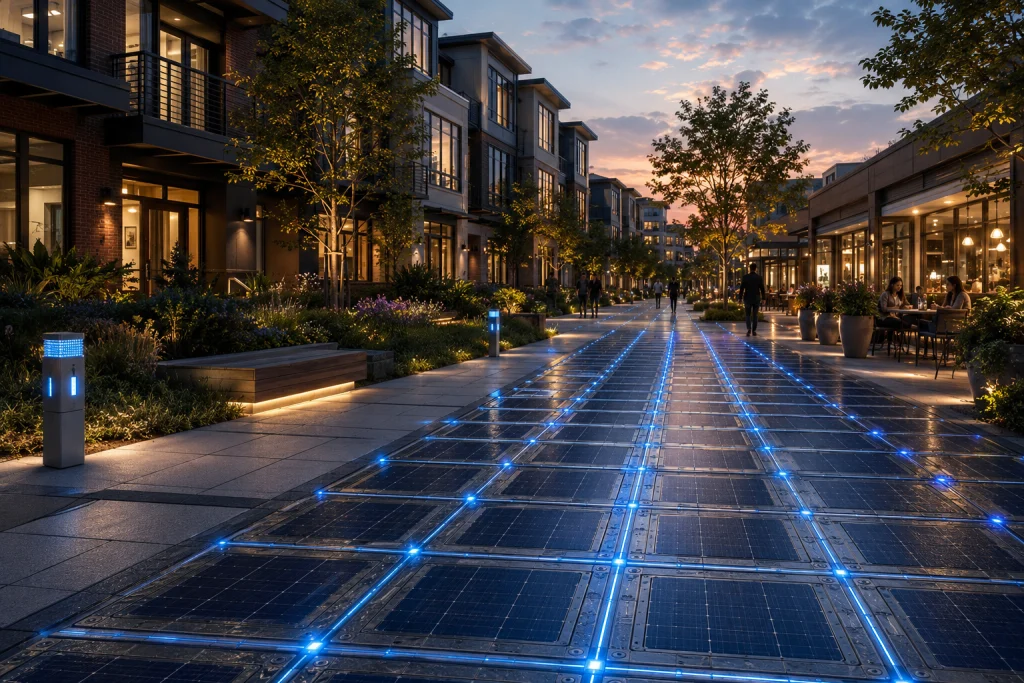
Fusion Cube is designed for environments where traditional solar panels are not feasible, transforming inactive surfaces into active infrastructure.
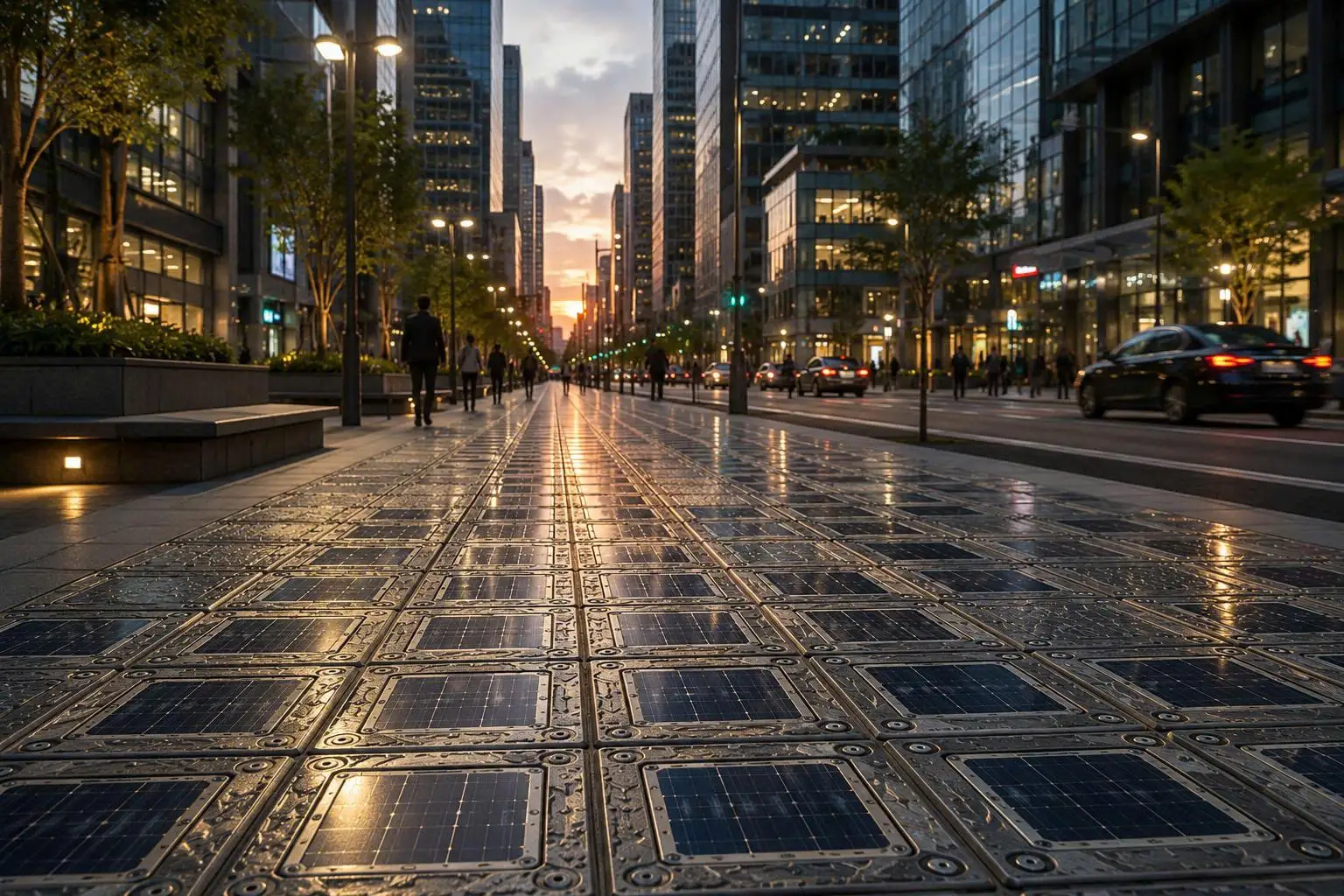
Industrial/Residential Landscape
Sustainable solar and water management for resilient urban landscapes.
- Biophilic design integration
- Urban cooling & Heat island mitigation
- Stormwater management
- Carbon sequestration
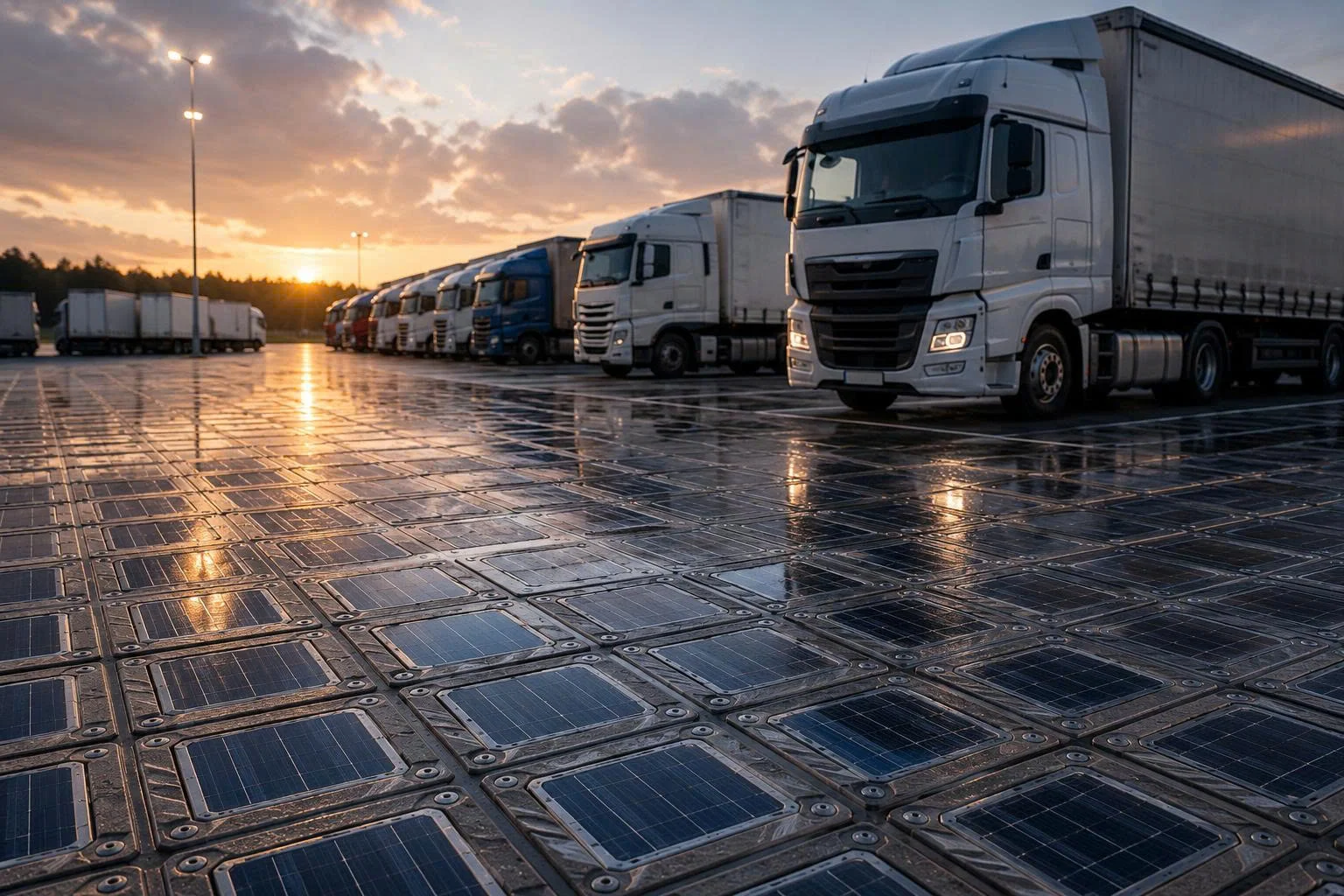
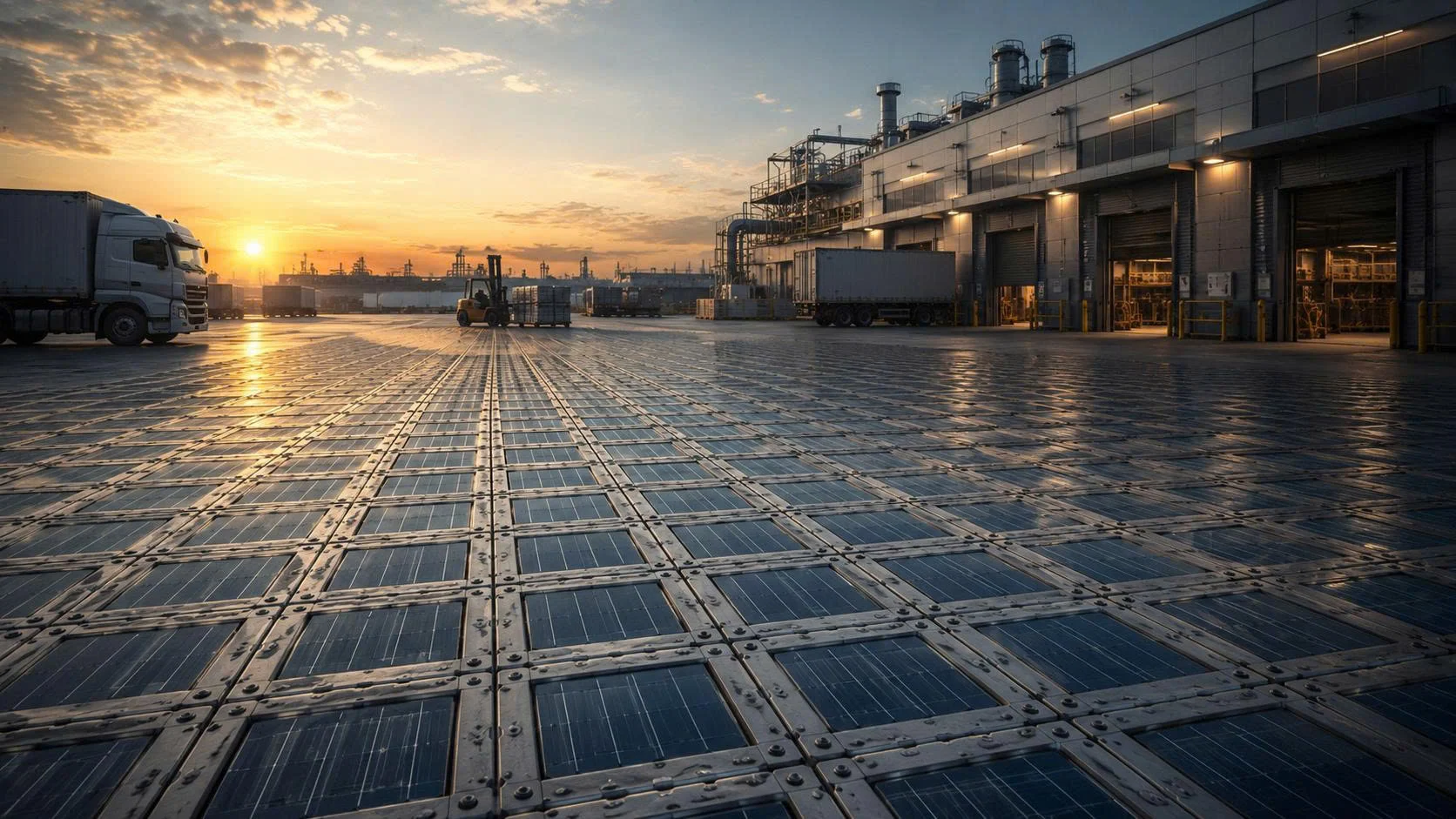
Truck Stop
High-yield solar power generation on heavy-duty vehicular surfaces.
- HS-20 vehicular loading standards
- Full vehicle accommodation capacity
- Real-time traffic analytics
- Large-scale energy generation
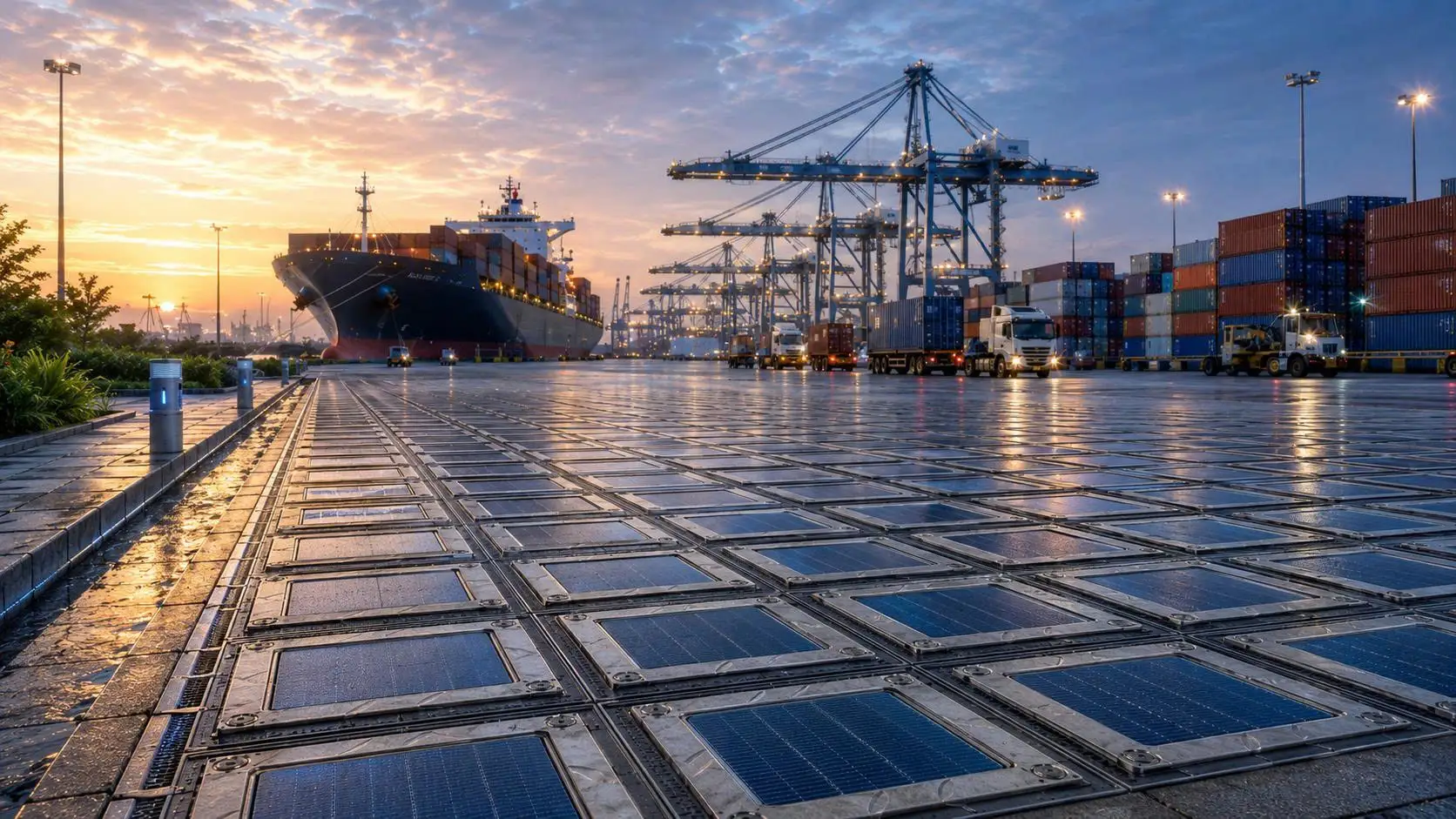
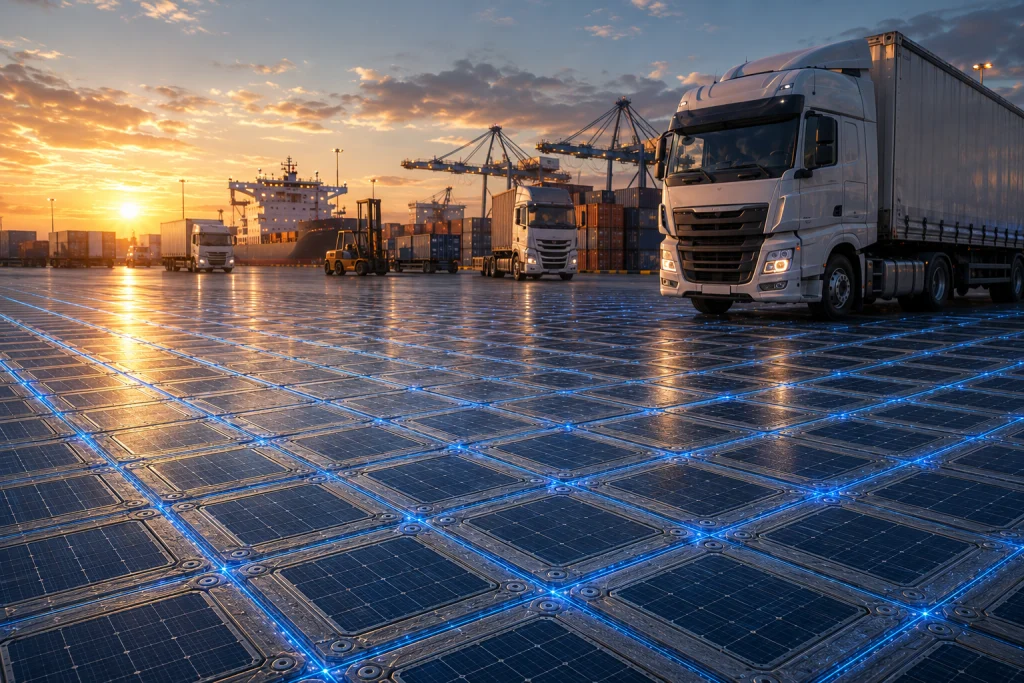
Port
High-capacity clean energy integration for carbon-neutral port electrification.
- Port electrification support
- Operational carbon footprint reduction
- High-capacity solar generation
- Zero Land Footprint
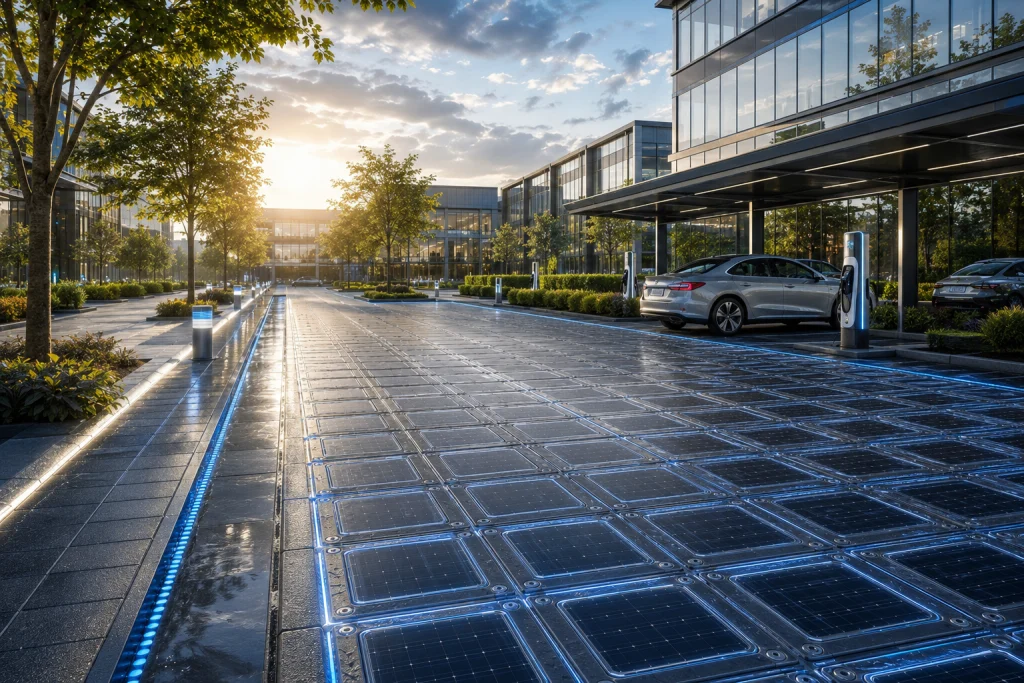
Parking Lot
“Zero Land Footprint” solar and water reuse on asphalt surfaces
- Dual-use functionality
- Real-time parking guide indicators
- Measurable & Reportable ESG data
- Under-vehicle inspection security
Latest Insights
Industrial / Port & Logistics
Engineered for the highest load demands - dock aprons, container yards, truck stops, and logistics facilities. Full structural specification with reinforced tempered...
Commercial / Parking & Campus
Designed for corporate campuses, open-air parking facilities, and factory grounds. Standard load specification rated for passenger and light commercial vehicles. Includes solar...
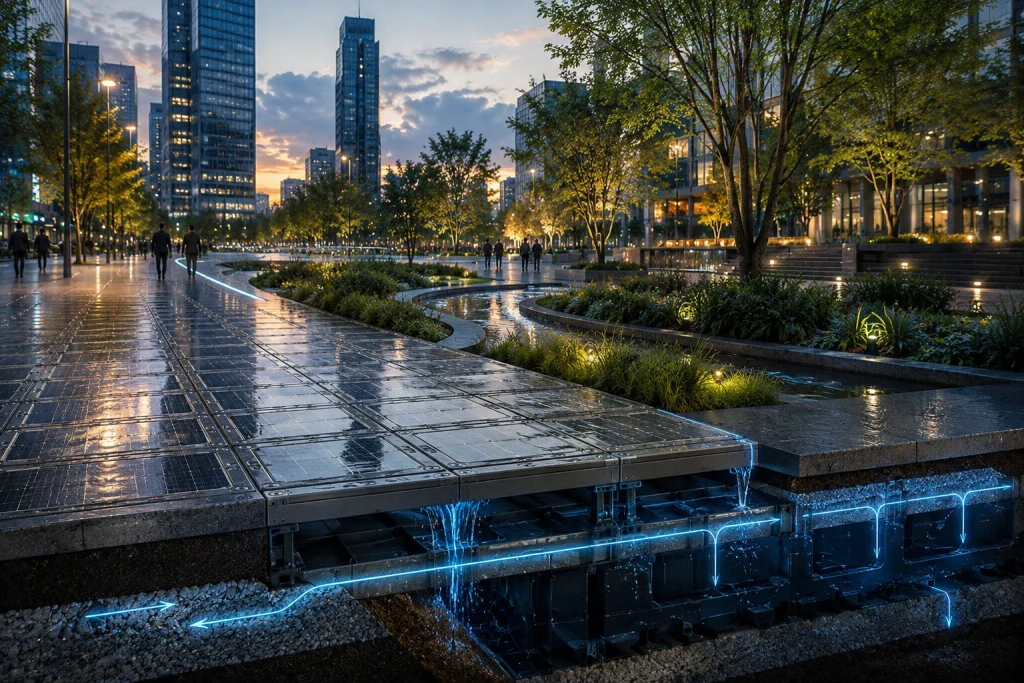
Government / Sponge City & Public Infrastructure
Purpose-configured for municipal and public sector deployments - urban plazas, public parks, school grounds, and government-mandated sponge city initiatives. Specification and feature...
Residential / Light Commercial
Optimized for pedestrian environments - residential courtyards, retail walkways, and light commercial spaces. Cost-efficient specification without compromising core functionality. Delivers clean energy...


Meet our team
Our team brings together deep expertise in materials science, electrical engineering, ESG strategy, and commercial operations to make that vision real. We build solutions that are good for the planet and make sound business sense – because for us, that is the only kind of innovation worth pursuing.

Stubby Warmbold
Founder

Maria Warmbold
COO

Mia Phan
CEO

Tuan Tran
CTO

Bence Jelenszky
Chief Development Engineer
Got questions? We’ve got answers
Not sure where to start? These answers will point you in the right direction.
It is designed for environments where traditional solar panels are not feasible, including parking lots, ports, truck stops, and industrial or residential landscapes
We use next-generation Perovskite solar cells that provide 29% more energy per installed kW than traditional silicon panels. This technology is optimized for high efficiency even in low-light conditions
A standard 1,000 m² installation produces between 80,000 and 120,000 kWh of clean electricity annually, which is enough to power more than 30 homes
Acting as a nature-based “smart sponge,” the platform reduces surface stormwater runoff by approximately 80%. It features a subsurface system capable of storing over 22,000 liters of water per 100 m²
Yes. The system is engineered to HS-20 vehicular loading standards, supporting axle loads up to 16,000 lb, making it safe for high-traffic areas like ports and truck stops
Black Locust wood is a sustainable material that naturally resists rot for 30-50 years without the need for toxic chemical treatments. It also serves as a carbon-negative material by sequestering carbon throughout its lifecycle
Built-in IoT sensors monitor real-time data on energy generation, water levels, temperature, and pressure. This information is translated into verifiable outcomes for ESG reporting
Each 1,000 m² installation offsets 53,000 to 80,000 kgCO2e annually – the equivalent of planting more than 1,800 trees